A bathroom is a small room with a lot of demands: water, steam, cleaning products, and a door that gets opened a hundred times a week. Handmade tile handles all of that beautifully, but only when the details are settled before the first box ships. The questions below are the ones that separate a smooth installation from a three-week stall with a tiler standing in your hallway. Ask them early, ask them in writing, and don't be shy about repeating yourself. A maker worth your money would rather answer twenty questions now than sort out a problem later.
Lead Times: Ask When the Clock Actually Starts
"Eight weeks" means very little until you know what it is counted from. A small studio might begin production once your glaze choice is approved and the deposit clears; another may need to wait for a kiln slot before anything is even loaded. Ask whether the quoted time covers firing, cooling and packing, whether it applies to your full quantity or only the first part of it, and whether made-to-order trim pieces add anything on top.
Then ask what happens if something goes wrong in the kiln. A warped tile or a glaze that fires dull is not unusual in a handmade process. A good answer sounds like: we remake failed pieces within a set number of days and hold the order until it is complete. A vague answer is worth pressing.
Work backwards from the date your tiler starts, then add a buffer for delivery and for checking the pallet on arrival. If this is your only bathroom, make that buffer generous.
Samples: More Than a Pretty Colour Chip
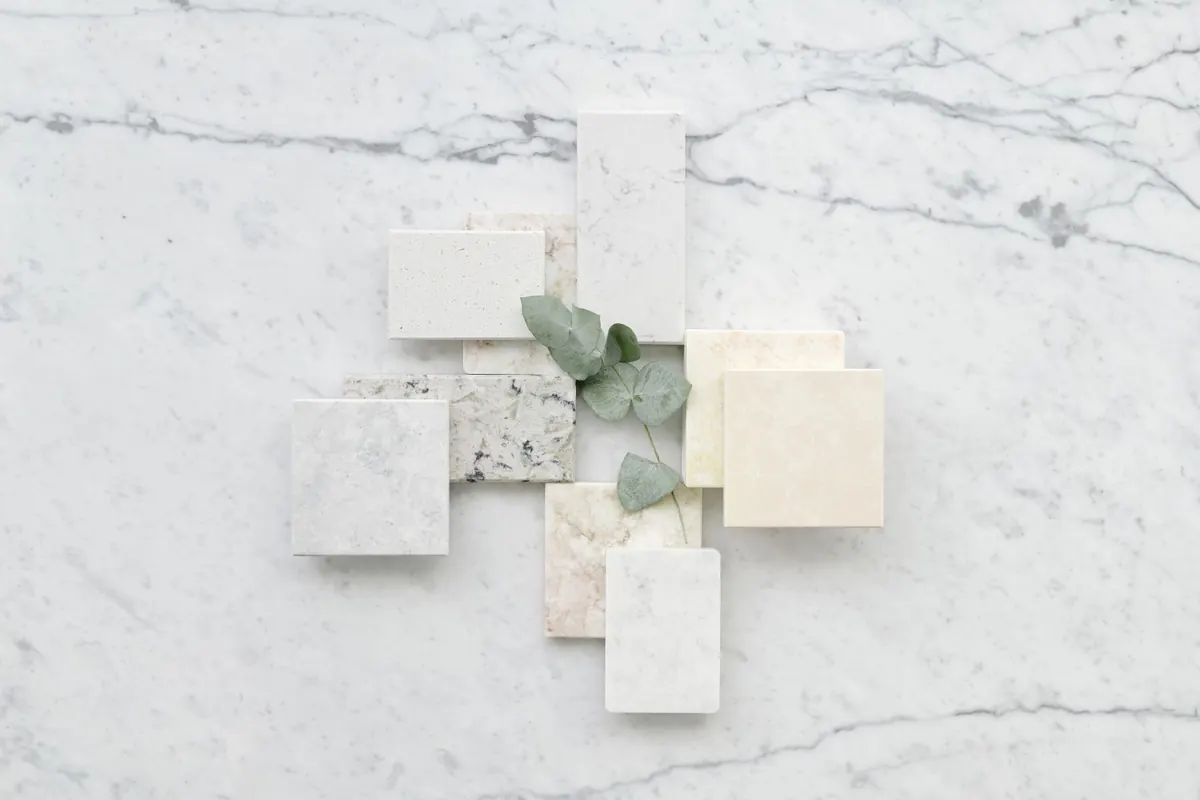
Ask for a full-size tile rather than a coaster-sized chip, and ask for two or three from the same batch so you can see how the glaze moves across a surface. Look at them in your actual bathroom, in daylight and again at night with the light on, and next to the fittings they will sit against. A warm cream in a studio can turn grey beside a cool-toned vanity.
A few sample questions worth putting in your email:
- Is this sample from current production, or a one-off studio piece?
- Can I see the glaze on an edge and on the back of the tile?
- Is this the tone I should expect across the whole order, or the middle of a range?
- If the delivery doesn't match the sample, what happens?
If a studio cannot tell you how a production tile might differ from the sample in your hand, treat that as information in itself.
Batch Variation: Plan for It Instead of Being Surprised
Handmade tile shifts in tone between firings. Even with an identical glaze recipe, clay moisture, kiln position and how tightly the kiln is packed will leave their mark. Ask how much variation to expect within a single box and between batches. Ask whether tiles are deliberately packed as blends, which many makers do so a wall reads evenly rather than in stripes, and whether you can request a tighter or looser mix.
Then order everything at once. Not "we'll get the rest later". Keep the overage rather than returning it. Ask the studio to record your glaze batch so a future top-up has a fighting chance of matching, and ask how long they can hold that recipe. Store the spares flat and dry, in the boxes they arrived in.
Sealants, Glazes and What a Wet Room Does to Them
Ask whether the tile is glazed or unglazed, and whether the face needs sealing before grouting or after. Get the product type in writing, along with how often it needs renewing and whether the tile has to be fully dry before application. In a shower this matters far more than it does in a hallway.
Ask about crazing, the fine surface cracks some handmade glazes develop, which many makers consider part of the character of the material. Ask whether it is expected and whether it affects performance in a wet area. Ask about grout too: cement-based versus epoxy, the joint width they recommend, and whether a particular grout will change how the tile looks.
One point worth being clear about: tile and grout are not what makes a shower waterproof. That is the job of the substrate and the waterproofing membrane behind it, installed to the relevant standards. If you are unsure what your situation requires, take advice from a qualified installer or building professional before work begins.
Substrate, Weight and the Trim Nobody Remembers
Ask for the tile's thickness and weight per square metre, and what substrate the maker recommends. Thick handmade tile on a lightweight stud wall is a different proposition from the same tile on cement backer board, and your tiler will want to know before pricing the job.
Ask about trim: do they make matching bullnose, cove or corner pieces, and how do they suggest handling external corners, whether by mitring, using a trim, or leaving the edge deliberately exposed? Ask what colour the cut edge shows. Some clay bodies are pale, some dark, and an exposed cut inside a shower niche is very visible.
Finally, ask whether the thickness varies enough that tiles need back-buttering, and which adhesive they recommend for your wall build-up.
Delivery, Waste and the Install Itself
Ask what waste allowance to plan for. Ten percent is a common starting point; irregular handmade tile with plenty of cuts and corners can want more, so ask both the maker and your tiler and take the higher figure. Ask about layout as well: does the maker recommend dry-laying before fixing, and what joint width do they suggest? Narrow joints on handmade tile can look uneven because sizes vary slightly, while wider joints forgive more.
Ask how the order arrives, whether pallet, crate or kerbside, and who is responsible for getting it inside. Ask how long you have to report breakage and photograph the pallet before you open it. Ask whether the tile should acclimatise in the room before fixing, and for how long.
Before You Send the Order
A short check before you commit: lead time in writing with a clear start date; full-size samples approved in your own light; total quantity plus overage ordered together; sealing and grout specified; trim and corner details resolved; substrate and adhesive agreed with your tiler; delivery, damage and returns terms understood.
Put the answers in one email and keep it. If they come back clear and specific, you have found a studio that knows its process. If they come back fuzzy, you have learned something useful while your money is still in your account.
Photo: Edward Jenner / Pexels