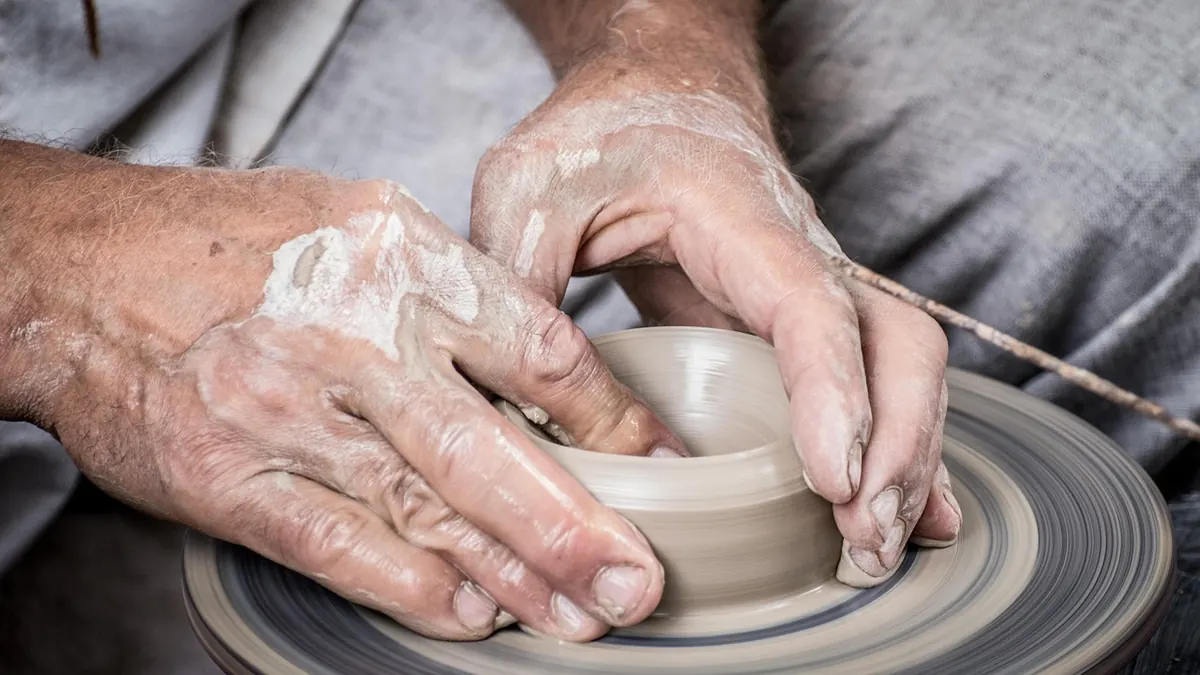
Your first handmade mug arrives with a maker's card, a thumbprint near the handle, and a glaze that pools a little thicker on one side. That unevenness is the point. Factory ware is built to survive almost anything; handmade pottery is built to be worth a bit of attention. The good news is that the attention it needs is small and mostly consists of habits you can learn in one afternoon. What follows is the routine worth knowing before the first bowl goes into the sink.
Almost every care mistake starts with forgetting what the piece actually is: fired clay with a layer of glass over it. The glass is tough and non-porous. The clay underneath is not. Treat the surface gently and keep water away from the raw foot ring, and most pieces will outlast the plates you bought in a set.
Wash It the Way You'd Wash a Good Knife
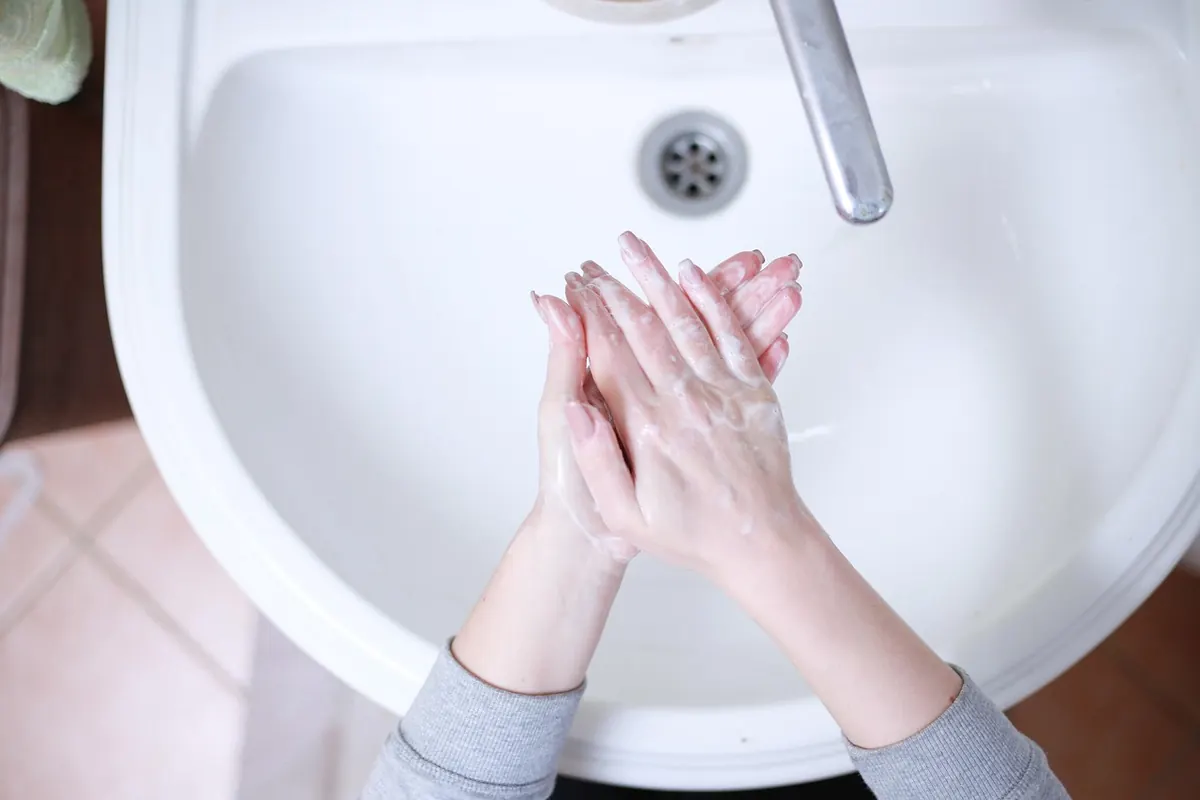
Warm water, a drop of ordinary dish soap, and a soft sponge. That is the whole method. Rinse promptly after tomato sauce, vinegar dressings, citrus, or anything with turmeric in it, because acids and strong pigments are what settle into a glaze over months rather than minutes.
Skip the scouring pad and the steel wool. A green scrubby used hard on a satin glaze will leave a dull patch that never quite disappears, and abrasive powders do the same work more slowly. For baked-on food, soak the piece in warm — not hot — water for ten minutes and use a nylon brush or a wooden spatula. A plastic scraper is fine on glazed surfaces; a metal one is not.
Dry the foot ring with a towel before the piece goes on the shelf. Unglazed clay and terracotta bases hold water, and a bowl stored damp will smell faintly of the cupboard within a week. If you have ever wondered why a handmade mug develops a musty note, this is usually why.
Dishwasher: check the maker's note first
Many modern handmade pieces are dishwasher-safe, and many are not. The variables are the glaze, the firing temperature, and any decoration applied over the glaze. High-temperature dish detergent is alkaline, and the drying cycle is hot; over a few years that combination dulls glazes and softens hand-painted pattern. Gold lustre, raku, and anything with a crackle finish should never go in.
If your maker says yes, help the piece along: top rack, spaced out rather than wedged, a short cycle, and no heated dry. Never load a dish that is still warm from the oven.
Stacking Without the Clatter
Most chips happen in the cupboard, not in the sink. A plate lands slightly off-centre, a rim takes the weight of three plates above it, and a small nick appears on the edge you eat from.
- Put something between plates. Felt pads, coffee filters, or thin cotton napkins all work. A stack of six plates with nothing between them is six rims grinding every time you reach for one.
- Keep stacks low and matched. Similar sizes, heaviest at the bottom, four or five high at most. A deep bowl sitting on a wide plate is a lever waiting to tip.
- Don't nest bowls tightly. Wedged bowls get pulled apart by the rim, which is the thinnest part.
- Store mugs upright where possible, and don't hang them by the handle if the handle is slender or the mug is heavy.
- Leave a finger's width of air between pieces on the shelf. Crowded shelves cause more damage than clumsy hands.
One more thing: if you have a shelf reserved for the everyday pieces, make it the accessible one. The best care you can give handmade kitchenware is to use it, and a bowl that requires moving four other bowls tends to stay where it is.
Thermal Shock: The Crack You Don't See Coming
Pour boiling water into a cold mug and the inside surface expands before the outside does. The glaze and the clay beneath it expand at different rates too. Sometimes nothing happens. Sometimes you hear a small tick, and a hairline appears that you notice three weeks later when it darkens.
The rules that prevent this are straightforward:
- Warm a mug or bowl with a splash of hot tap water before filling it with boiling liquid.
- Put oven-safe ceramics into a cold oven and let them heat with it, rather than sliding a room-temperature dish into a hot cavity.
- Use a trivet. Not a wet tea towel, not a cold stone countertop, not the metal hob.
- Never add cold stock or water to a hot pot, and never move a hot dish straight to the fridge.
- Keep handmade ceramics off the grill and away from the broiler unless the maker says otherwise.
Fine crazing — the delicate web of lines some glazes develop — is often a deliberate part of the finish and perfectly stable. But if the lines darken with use, or the surface feels rough under your thumb, retire the piece from wet foods. It can still hold spoons, garlic, or a plant.
Stains, Clouds, and Those Grey Pencil Marks
Tea and coffee leave a brown film inside mugs. Turmeric and tomato leave warmer tones. Hard water leaves a chalky cloud, and cutlery leaves grey streaks that look like scratches but are actually tiny deposits of metal rubbed onto the glaze.
For most of these, a paste of baking soda and water is enough. Apply it, leave it for fifteen minutes, and work it gently with a soft sponge. For hard-water film, a short soak in diluted white vinegar followed by a thorough rinse will lift it; keep the vinegar away from unglazed clay and from gold decoration. The grey cutlery marks usually respond to a mild abrasive cleanser or a dab of toothpaste on a cloth — test on an inconspicuous spot first.
Wash the piece the same day, and you will rarely need any of these remedies. Prevention here is genuinely easier than the cure.
Two things to avoid: bleach on coloured glazes, which can strip the colour unevenly, and long soaks. Leaving a piece submerged overnight lets water work its way into any unglazed area, including the foot.
Check the Rim Before It Checks You
Once a month, take five minutes with your everyday pieces. Hold each one up to a window and look along the rim, where the light will reveal a chip you can't see from above. Run a fingertip — carefully — around the edge and the handle joints, feeling for roughness. A nick that feels sharp now will feel worse in six months.
A small chip on a rim you eat from is a piece to move to dry storage. Exposed clay there can trap food, and the chip will spread along the glaze. A chip on the base or a handle can often be smoothed with fine wet-and-dry sandpaper, worked wet and rinsed well afterwards. If you are unsure whether a piece is still sound for food, use it for something else. Gluing a broken food-contact surface back together with household adhesive is not worth the risk.
A Five-Minute Monthly Once-Over
- Empty one shelf at a time and wipe it down; grit under a plate is a slow grinder.
- Look along every rim and handle joint in daylight.
- Run a fingertip around the edges of your three most-used pieces.
- Check the felt pads and napkins between stacked plates and replace any that have gone thin.
- Set aside anything chipped or badly crazed for dry goods, flowers, or the workshop.
- Wipe the foot ring of each piece dry before it goes back.
That is the whole system. Gentle washing, a little something between stacked plates, respect for temperature changes, and a monthly look at the rims. Do those four things and your handmade bowls will still be in daily rotation long after the novelty of the first unboxing has worn off — which, for pottery, is exactly the point.
Photo: slavoljubovski / Pixabay